
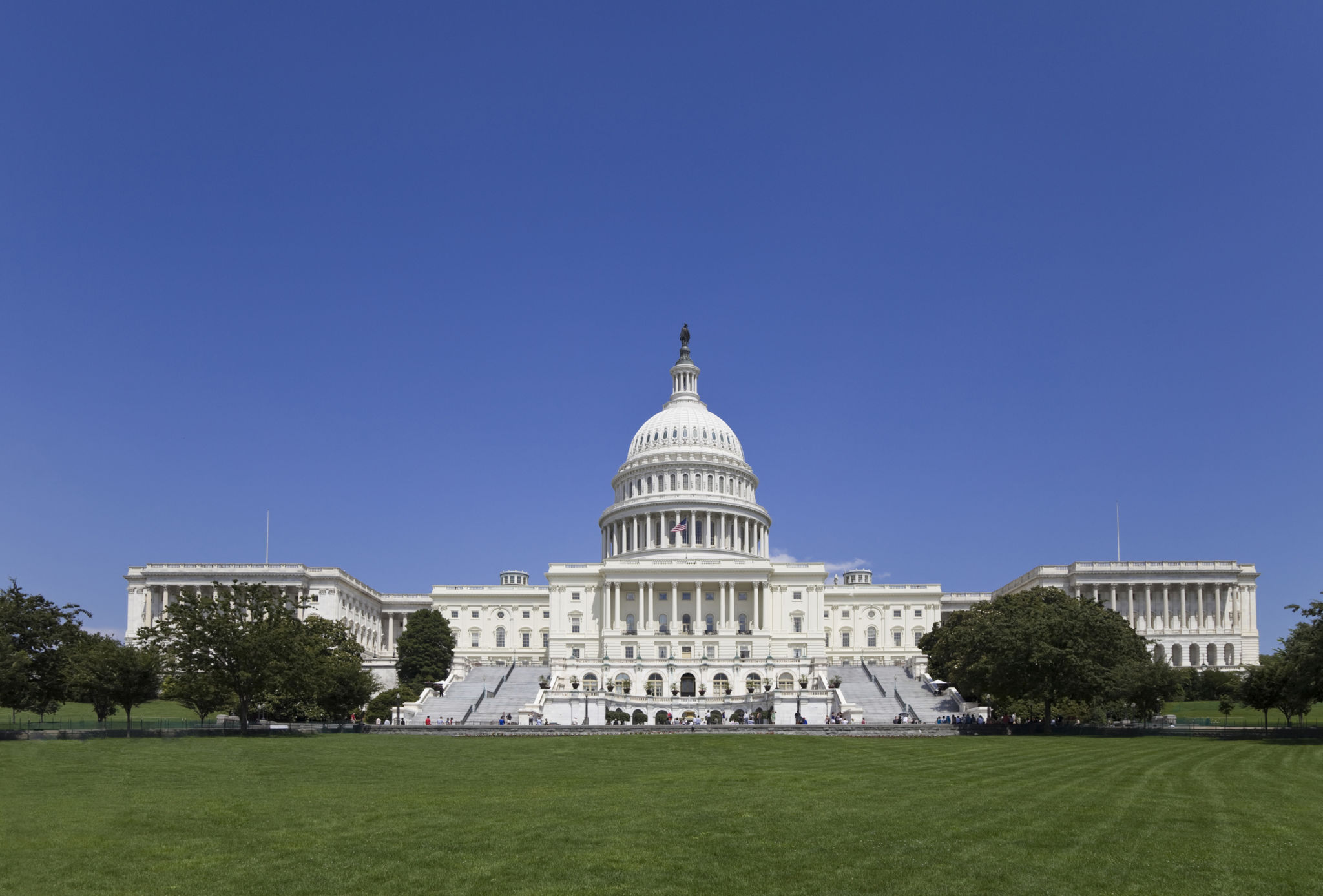
Congressional activity around US cryptocurrency regulation dominated headlines during the week of 14 September 2026, with three separate reports on the CLARITY Act—a proposed framework governing stablecoins and digital asset custody—indicating ongoing legislative momentum. Senate Republicans sent what they described as a "final" offer to Democrats on the bill, which was subsequently updated to include stricter ethics rules governing the regulatory bodies that would oversee digital asset activities. In a related development, Senate Majority Leader Chuck Schumer called a caucus to determine the bill's path forward, signalling that legislative priority discussions remain active within the upper chamber.
These regulatory developments arrived as global cryptocurrency markets showed muted price movement. Bitcoin traded at $77,515 as of 04:00 GMT on 14 September 2026, representing a 24-hour increase of 0.43% and a seven-day decline of 3.00%. The asset's market capitalisation stood at $1,556.8 billion with 24-hour trading volume of $19.3 billion. Ethereum, the second-largest cryptocurrency by market cap, declined 0.38% over 24 hours to $2,511.23, while maintaining a seven-day gain of 0.20%. Its market capitalisation measured $306.5 billion with 24-hour volume of $10.9 billion. Ripple's XRP traded at $1.37, up 0.64% in 24 hours but down 2.60% over seven days, with a market cap of $86.3 billion and 24-hour volume of $1.4 billion. All three figures are as of 04:00 GMT on 14 September 2026.
Beyond US regulation, international digital currency development progressed markedly. Russia launched its digital ruble nationwide, with official sources reporting 87,000 new accounts created in the rollout. This represents a significant step in sovereign digital currency adoption and follows years of testing and regulatory development within the Russian financial system. The digital ruble operates as a centralised digital asset issued and managed by the Central Bank of Russia, distinct from decentralised cryptocurrencies like Bitcoin and Ethereum.
Security incidents continued to affect crypto-related platforms. Reports indicated that Revolut—a fintech services provider offering cryptocurrency trading—experienced a cybersecurity incident in which attackers threatened daily customer data leaks. The nature and scope of exposed data remained under investigation. In separate protocol-level activity, Symbiosis, a cross-chain decentralised exchange aggregator, reported recovery of 15 Bitcoin following a bridge exploit and offered the attacker a 20% bounty—a common incident-response practice in which protocol teams negotiate the return of extracted funds at a fraction of their value.
Other developments in the news cycle included analysis of artificial intelligence's market implications, commentary on commodity markets and their intersection with crypto, and personnel updates regarding former FTX executives. Tom Lee, a market analyst, disclosed that a 2% Bitcoin position allocation quietly expanded to 85% of a portfolio, illustrating the volatility and concentration risk inherent in cryptocurrency holdings. Caroline Ellison, former CEO of Alameda Research (FTX's trading division), announced a new charitable role that carried what reporting described as an "awkward" connection to the broader FTX legacy.
What the data shows is moderate near-term price consolidation across the three largest cryptocurrencies by market capitalisation, with Bitcoin and XRP declining modestly over seven days while maintaining minor 24-hour gains. Volume levels—at $19.3 billion for Bitcoin—remain within ranges typical of established markets. Regulatory clarity, as evidenced by Congressional activity on the CLARITY Act, reflects ongoing institutionalisation of crypto asset frameworks in major jurisdictions. International adoption of government digital currencies, demonstrated by Russia's rollout, occurs alongside decentralised cryptocurrency markets without direct causal linkage.
What the data does not show are immediate price implications from regulatory developments, security incidents, or international digital currency launches. Historical precedent suggests regulatory announcements often create volatility lasting hours to days, but the specific timing and direction of such moves remain unknowable in advance. The recovery of funds from protocol exploits and the negotiation of bounties indicate ecosystem resilience mechanisms but do not predict broader market trajectory. Personal portfolio construction decisions, such as the Bitcoin allocation described in Lee's case, reflect individual circumstances rather than systemic market conditions.