
As of 15 September 2026, major cryptocurrency indices reflect consolidation amid ongoing legislative negotiations in the United States. Bitcoin traded at $77,660.00, up 0.15% over the 24-hour period but down 1.90% over seven days, with a market capitalisation of $1559.8 billion and 24-hour trading volume of $30.7 billion. Ethereum stood at $2,498.43, down 0.51% in the prior day but up 0.30% over the week, with a market capitalisation of $304.9 billion and 24-hour volume of $16.0 billion. XRP outperformed the broader market, trading at $1.42, up 3.18% in 24 hours and 1.40% over seven days, with a market capitalisation of $89.0 billion and 24-hour volume of $4.3 billion.
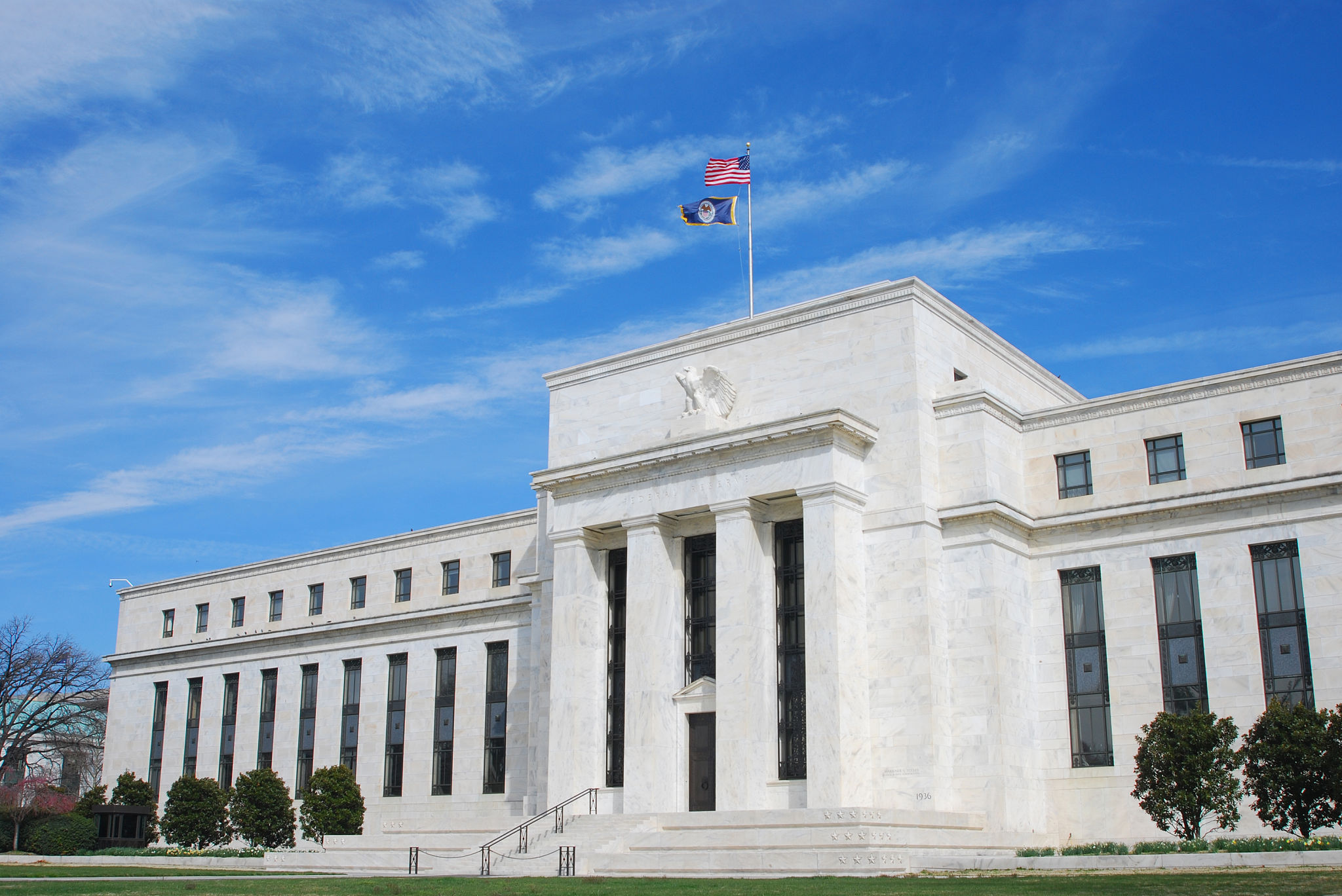
The primary macro driver remains legislative activity around the CLARITY Act, a proposed framework for cryptocurrency regulation in the United States. Multiple developments emerged in this area. XRP's outperformance correlates with announcements from 21Shares building a case for XRP-based exchange-traded products (ETPs) around the asset's utility, fixed supply characteristics, and regulatory clarity prospects. Simultaneously, Ripple chief executive Brad Garlinghouse has publicly backed the CLARITY Act framework ahead of scheduled Senate votes. The legislative process itself remains contested: Democrats have drafted a counterproposal to the GOP's framework, with Senator Cynthia Lummis and others attempting to consolidate Democratic support around a final draft. The SEC, through commissioner Caroline Atkins, has stated it backs the CLARITY Act while reserving the agency's authority to continue developing cryptocurrency rules independently of the legislation's outcome.
Institutional participation continues to deepen despite regulatory uncertainty. Grayscale has launched four cryptocurrency portfolio products aimed at financial advisors, expanding distribution channels for professional asset allocation. This institutional layer represents demand separate from retail speculation, historically correlated with longer-term capital formation rather than short-term price movements.
A secondary theme emerged around protocol sustainability. Balancer, a decentralised finance platform, is evaluating a wind-down after restructuring efforts failed to restore revenue to sustainable levels. This reflects ongoing challenges in DeFi market dynamics where protocol tokens face competition and revenue models require continuous refinement.
A notable relative outperformance came from privacy-focused cryptocurrencies. Zcash and Monero have gained ground against Bitcoin during this period, indicating portfolio rotation into privacy-centric assets. This shift may reflect regulatory uncertainty driving demand for privacy features, though causality is not directly established by price movement alone.
What the data shows: Core market capitalisation remains substantial and stable, with Bitcoin and Ethereum maintaining their dominance. XRP's 3.18% daily gain, paired with positive headlines around utility-based ETF development, represents measurable price discovery around a specific asset narrative. The sustained volume across major assets—$30.7 billion for Bitcoin, $16.0 billion for Ethereum, $4.3 billion for XRP—indicates active participation. Institutional product launches demonstrate ongoing infrastructure buildout regardless of regulatory outcome.
What the data does not show: Price movements do not reveal whether institutional adoption is accelerating or sustaining; they reflect contemporaneous value agreement only. Regulatory outcomes remain probabilistic—the data shows only current legislative positions and sentiment, not the likelihood of specific policy implementation. Privacy coin gains do not establish causality between regulation and demand; correlation in returns alone is insufficient to determine motivation. Market capitalisation figures reflect current valuation consensus, not intrinsic worth or future performance. The 24-hour and seven-day percentage changes represent historical price discovery, not predictive measures.
Data Analytic Investments tracks these developments as observable market conditions. Live views of on-chain metrics and market structure are maintained on dataanalyticsystem.com/markets for ongoing reference. Regulatory frameworks and their technical definitions are documented at dataanalyticsystem.com/faq-glossary. The market conditions described here reflect the measurement window of 15 September 2026, 04:00 GMT, and are subject to change as new information and transactions occur.